Learning how to be HACCP-compliant in your temperature monitoring is crucial to succeeding in the food industry. When it comes time for an audit, the stress of passing can feel overwhelming if you’re not confident in your logs and procedures. The fines, failed inspections, and food safety incidents can all lead to damaged reputations of trusted companies. In this blog, we will explore the HACCP requirements for temperature monitoring and ensure you are meeting them.
What does HACCP do?
Hazard Analysis and Critical Control Points (HACCP) is a preventive approach to food safety that identifies, monitors, and controls potential hazards. The goal of it is to identify risks, monitor critical points, and keep accurate records to take corrective action when necessary. But how does this apply to temperature control and monitoring?
HACCP Checklist
Let’s break this down into a simple 5-step checklist to make sure you are HACCP compliant.
- Identify Critical Control Points (CCPs) and establish limits
- Clearly identify all steps requiring temperature monitoring as CCPs
- Refrigeration
- Cooking
- Cooling
- Holding
- All CCPs previously defined have established their temperature control limits for each step
- Minimum
- Maximum
2. Monitoring Procedures, Documentation, and Recordings
- Establish a methodology for monitoring temperatures
- Manual or Automatic
- Monitoring frequency is defined
- Intervals or Continuous
- Monitoring is documented every time temperatures are being checked
- Actual temperatures are being recorded (not estimates)
- Records include: date, time, and measurement recorded
- Documentation Justifies the following:
- CCP selection
- Temperature limits
- Monitoring frequency
*It is important to note that HACCP requires you to document and justify your monitoring methodology and frequency! Make sure monitoring occurs regularly and record it every time.
3. Record Keeping and Reviews
- Maintain a record of temperature logs
- They must be accessible in case of audit for review
- Logs are regularly reviewed and verified for accuracy
4. Corrective Action is in Place
- Actions are established for breaches of temperature limits
- Deviations and responses are documented
5. Calibration of Equipment
- Thermometers/Sensors are regularly calibrated
- Calibration records are maintained
If you follow these 5 steps, then following HACCP temperature control requirements will be an easy and worry-free process.
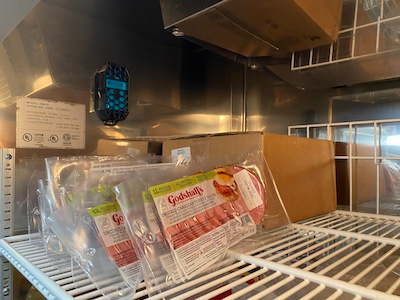
How BluLine can Help you Stay Compliant
To further simplify this process, while saving you time and labor costs, using an automated temperature monitoring system will help your business focus on what matters most. With Bluline, we have options for automated product temperature monitoring for every step of your CCPs.
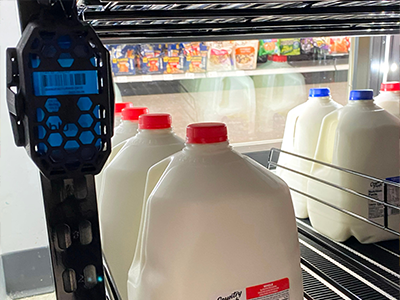
Refrigeration
During the refrigeration step of your CCPs, BluLine offers our flagship product, IdentiCool™. With IdentiCool™, you will be able to accurately measure product temperatures without the need to probe the product. Because of our unique design, business owners will be able to save labor costs due to the automated readings, but also product costs, due to our non-invasive approach.
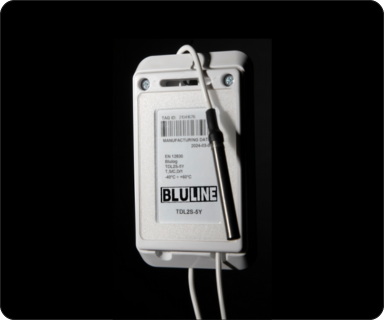
Cooking/Cooling
During the cooking phase, BluLine’s Temp+Probe Sensor delivers precise temperature measurements throughout the entire process. It can be used across different products and cooking methods due to the variety of probe lengths available. This makes it ideal for foods that require interval monitoring.
During the cooling step, accurate temperature tracking becomes just as critical. HACCP guidelines require food to pass through specific temperature ranges within defined timeframes to prevent bacterial growth. BluLine’s Temp+Probe Sensor allows you to continuously monitor product temperature as it cools, ensuring it moves safely through these critical zones.
Hot Holding
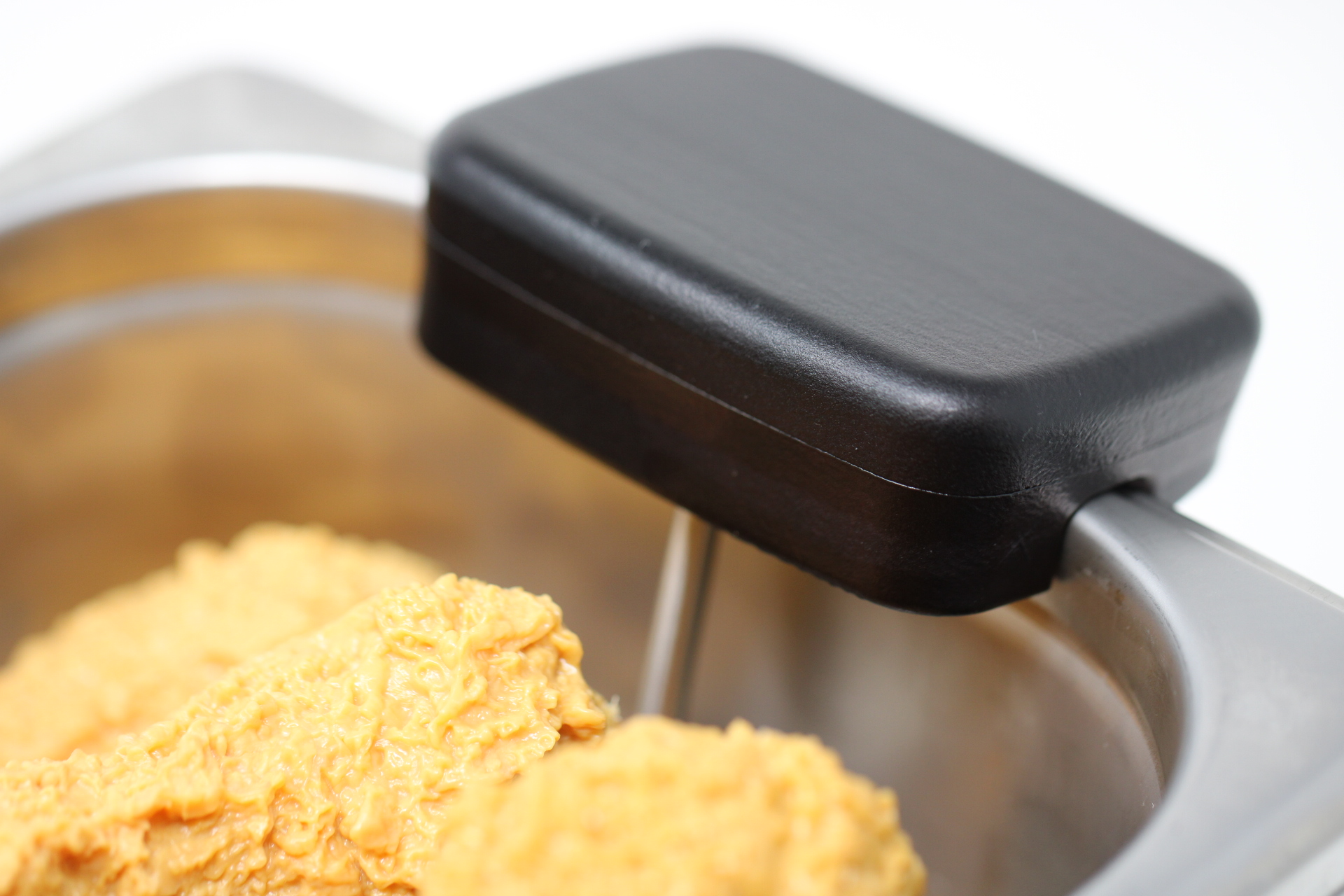
Finally, for hot holding, BluLine has created a one of a kind product specifically designed for hot holding steamer pans. Our UTempsil™ sensor fits in serving pans, offering precise product readings via advanced BluLine Solutions wireless technology, sending data to the cloud for simplified data visibility.
Conclusion
To sum up, by following these steps and implementing a BluLine temperature monitoring system, you can move from reactive compliance to proactive control. Furthermore, you gain continuous visibility, real-time alerts, and reliable, audit-ready records, instead of relying on manual checks. This not only helps ensure you are meeting HACCP requirements for temperature monitoring, but also protects your product, reduces labor demands, and minimizes costly losses. At BluLine, we allow your team to focus on what matters most: running a safe and efficient operation.
To learn more about BluLine, contact us at hello@blulinesolutions.com or schedule a consultation by clicking here.